Kilimanjaro News Network
The Voice of Africa
Stay at the forefront of Current Affairs from Across the Continent
UMOJA
NA MAENDELEO


The U.S. Signs "Right of First Refusal" Over Congo's Minerals Just Two Days After The Washington Accord
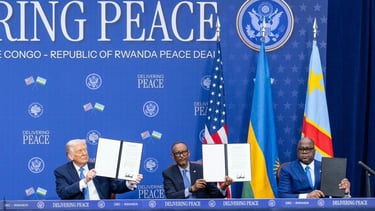
Just two days after the ink dried on the “Washington Accord,” the U.S. has signed “right of first refusal” to the Democratic Republic of Congo’s mineral wealth, a single, deafening silence answers the most critical question: Where are the Congolese people in this deal? Their absence is the whole point. While the world would be rightfully aflame with accusations of “debt-trap diplomacy” and “neo-colonialism” had China signed such a clause, the Western response to this brazen act of resource capture has been a masterclass in hypocritical quiet. The accord is not a treaty of partnership, but a receipt for a theft perfected over centuries, now filed under “supply chain security. The newest map of Congo’s suffering can be found not in the war-torn hills of the Kivus, but in a Washington boardroom. It is drawn in the contractual language of the “right of first refusal,” a clause that grants the United States first dibs on the cobalt and copper that have drenched this nation in blood. Two days after this “Washington Accord,” we must ask: where is the clause for the right of first refusal to peace? To prosperity? To a life not defined by the weight of a mineral curse? Had Beijing authored this document, the halls of the UN would echo with condemnation. Instead, we hear only the serene silence of business-as-usual exploitation.
GEOPOLITICS
E.N. Quenti
12/6/20253 min read


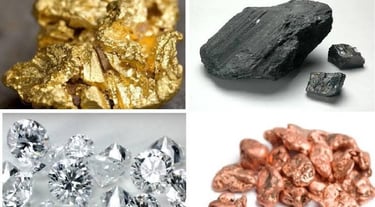
KINSHASA/WASHINGTON: While the world’s moral gaze is selectively calibrated, a familiar, predatory ritual is unfolding in Washington. This week, the United States’ development lender, wearing the benign mask of partnership, announced plans to take a stake in marketing the Democratic Republic of Congo’s minerals. The core of the deal? A “right of first refusal” on the nation’s vast copper and cobalt for U.S. end users. Let us be brutally clear: this is not development. It is the formalisation of a century-old plunder, now dressed in the sterile language of finance and “supply chain security.”
The gall is breathtaking. The DRC, a nation whose soil is soaked in the blood of conflicts fuelled by mineral greed, is once again being led to the signing table. And who, we must ask, has been the constant historical architect, the hidden hand directing these wars, propping up kleptocrats, and ensuring the flow of riches westward at a human cost too horrific to fathom? The evidence, documented by UN panels and human rights groups for decades, points relentlessly to networks enabled and interests protected by Western powers, with the U.S. often playing the pivotal role. This is not conspiracy; it is the documented anatomy of resource colonialism.
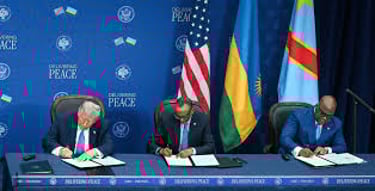
Consider the sheer, insulting theatre of it. Two days ago Félix Tshisekedi and Paul Kagame leaders summoned 7,000 miles away to Washington to sign away what is we now understand is effectively the “first refusal” of their own earthly inheritance. Let that sink in. They bypass every regional bloc, every African mediator, every institution that whispers of continental sovereignty. The message is unmistakable: real authority, the power to legitimise the extraction of African wealth, resides not in Kinshasa or Addis Ababa, but in the corridors of the U.S. International Development Finance Corporation. The “Washington Accord” is a name dripping with irony, it implies mutual agreement where none can exist between the jailer and the jailed.
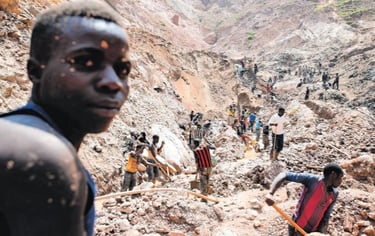
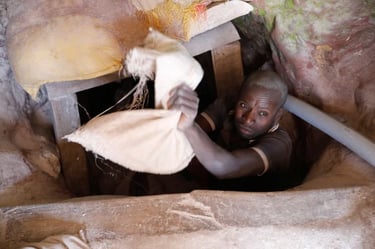
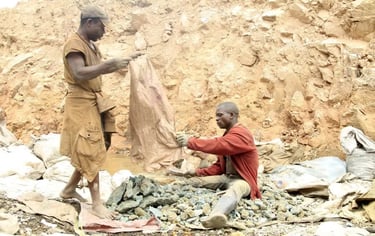
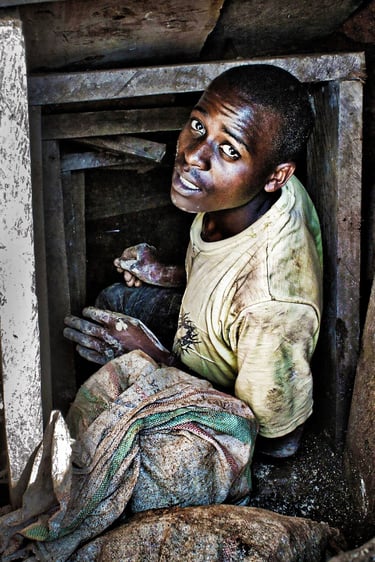
Where are the benefits for the Congolese people? They are the ghost in this transaction. They who have known nothing but war, displacement, and terror because of the curse lying beneath their feet. They who dig cobalt with their hands for a pittance so that electric vehicles in California can be labeled “clean.” Their peace, their stability, has been the necessary sacrifice on the altar of global capitalism and geopolitical dominance. This new deal promises more of the same: the minerals will flow, the profits will be banked offshore, and the Congolese will be left with the scars and the sirens of yet another round of conflict, as factions are inevitably armed to control the concessions this deal will create.
The silence from the self-appointed moral guardians of the “rules-based international order” is deafening. Imagine, for a single moment, if China had engineered such a clause a “right of first refusal” on a nation’s strategic resources. The op-eds would thunder, the state departments would decry “debt-trap diplomacy” and “neo-colonialism,” and satellite images of mines would flood social media. But when the exploiters are Western, when the signatures are collected in Washington, it is simply “business as usual.” It is rebranded as “stabilising supply chains” and “providing an alternative to adversarial models.” The hypocrisy is a corrosive acid eating away at the very concept of international justice.
So we must ask the questions our leaders seem too compromised, too indebted, or too frightened to ask:
When will this exploitation by the West end? When the last gram of cobalt is dug? When the last vein of copper is exhausted?
How, in the year 2025, does any African nation sign a “right of first refusal” with a foreign power, locking its children into perpetual servitude as hewers of wood and drawers of water for others’ industries?
What does it say about our sovereignty that our destinies are still bartered in distant capitals, while regional brothers are sidelined?
And ultimately, will the Congo ever know peace? Not under this paradigm. Peace is bad for business. Peace allows for the renegotiation of predatory contracts. Peace empowers citizens to ask for a fair share. The chaos is a feature, not a bug.
The Washington Accord is not a new chapter. It is the oldest story in the colonial playbook, updated with financial instruments and press releases. It ensures that the heart of Africa will continue to bleed out, one lucrative, conflict-ridden mineral at a time, to power a prosperity it will never be allowed to share. The silence surrounding it is not just complicity; it is a confession.